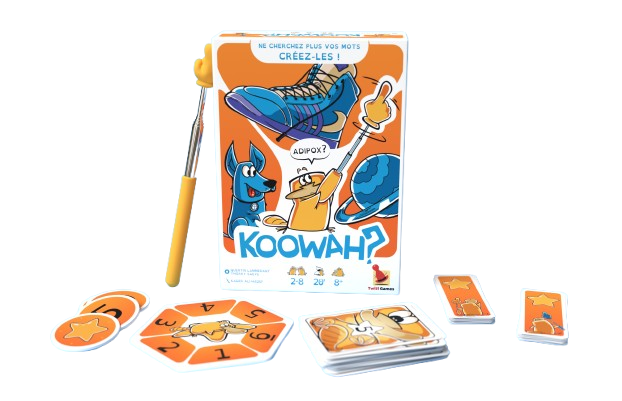
Three years, a platypus, and a thousand invented words for an accessible and zany game… Meet Quentin Lammerant, the author of Koowah, who takes us behind the scenes of his creation.

It all starts with a desire
It all started with a desire: Thierry Saeys and I wanted to create a game together! I had already had the chance to create several games, but doing so with a co-author was a first for me, and I have to say it’s truly a different experience — each person can lean on the other and ideas can fly back and forth without interruption.
So we set aside an ideal day to kick off our creative process, which led us to a clear vision: “make a game where you invent words and the goal is to have the other players guess them.” That idea remained the anchor point throughout our creative process. For my part, I was excited at the prospect of making a word game, because my dyslexia usually prevents me from playing this type of game even though I love them! Here, I had the chance to play a game where spelling mistakes don’t count, and I can say it’s not my fault — the rules require it ;-).
The partners in the adventure
Having already had the experience with Gobelins des bois, I quickly decided to produce this game myself with my publishing house Twist Games. You should know that, for me, self-publishing was above all a way to understand all the behind-the-scenes aspects of the profession and the stages of game creation, so as to improve as an author. But having enjoyed it so much with Gobelins des bois, I thought — why not another game? That said, don’t think I did it all alone, thank goodness!
First, there’s Thierry, my co-author, with whom I had already had the chance to exchange ideas several times. We got along well, so it was only natural that we said, “let’s give it a try!”
I was lucky to be helped by Nicolas Aubry of Synergy Games. He supports publishing houses on many topics, but in my case it was mainly the logistics and production side.
There’s also Kader Ali-hadef (@kader.alihadef), who agreed to handle all of the illustrations. I knew him through a motion-design video of one of his prototypes, and I had the chance to meet him at the SAJ on the author side.
Of course, my family also contributed — for example, my father provided the first illustrations, and my loved ones were the first to test the word-invention mechanic and to laugh through countless playtests with the prototype.
Once again, I thank all these people for the help they brought.
From sketch to prototype
The first prototype was very simple — we had cards for the letters and a few themes. Then, over the course of many versions, various developments emerged, gradually providing answers to the following questions:
- How do you build your word?
- How do you eliminate?
- How do you earn points?
That last question was rather tricky, because in this type of game you often hold on to memories — moments shared between players — and the score matters very little. So our guiding principle was to keep the scoring system smooth and not tedious, and I think we succeeded.
I put all my heart into this game and I hope players will feel it. Speaking of them — thank you, because it’s their feedback during the festivals where we played so many games (I couldn’t even count how many) that allows the game to keep improving. The thing that always strikes me is that little magical moment where everyone wonders, “But how did they manage to find my word?!” That kept our motivation gauge at its highest level and pushed us to continue the adventure. It also makes me want to give back and deliver the best possible version to the players.
Inside the Koowah workshop
To create this game, you had to be meticulous and have a sense of detail. There are so many parameters to take into account — the size of the cards, the format of the box, the accessories… A few examples:
- We had to adjust the size of the board by 2 millimeters so that it would fit perfectly into the insert.
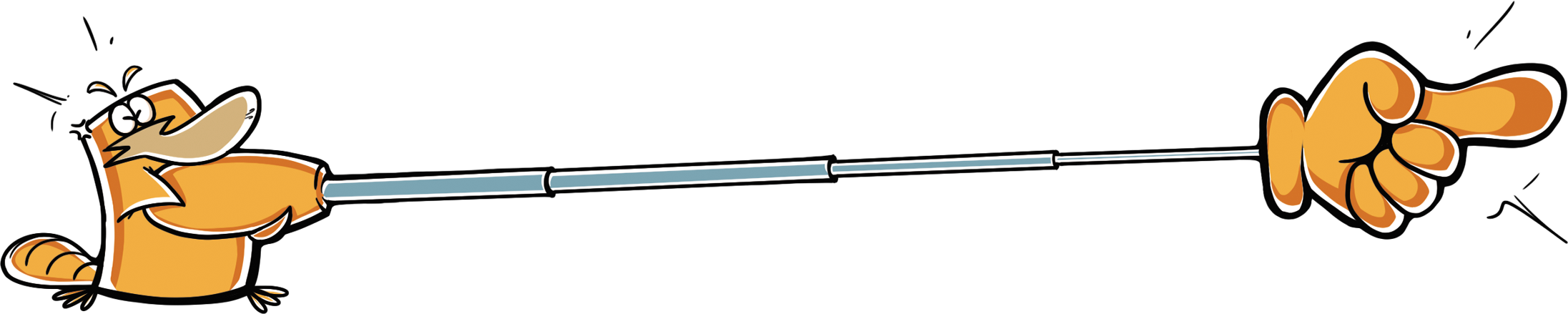
- We wanted to use a telescopic arm, but in our colors, so we had to find solutions and a company that could produce them.
- We wanted the box to also serve as a stand.
All these elements had to come together at a reasonable cost in order to ultimately offer an attractive price with quality materials. It was truly a challenge, but the game carries me so much that it eliminates any desire to give up. It’s this sense of detail, and the testing of each variant, that takes time.
We wanted this game to be accessible, and we collaborated with several people: speech therapists, occupational therapists, educators, and French teachers. This led us to offer the “Open Dyslexic” font and to adjust the color contrast for people with visual impairments. Even the telescopic arm, the stand, and the size of the tokens are elements that make the game more accessible for people with reduced mobility or motor difficulties.
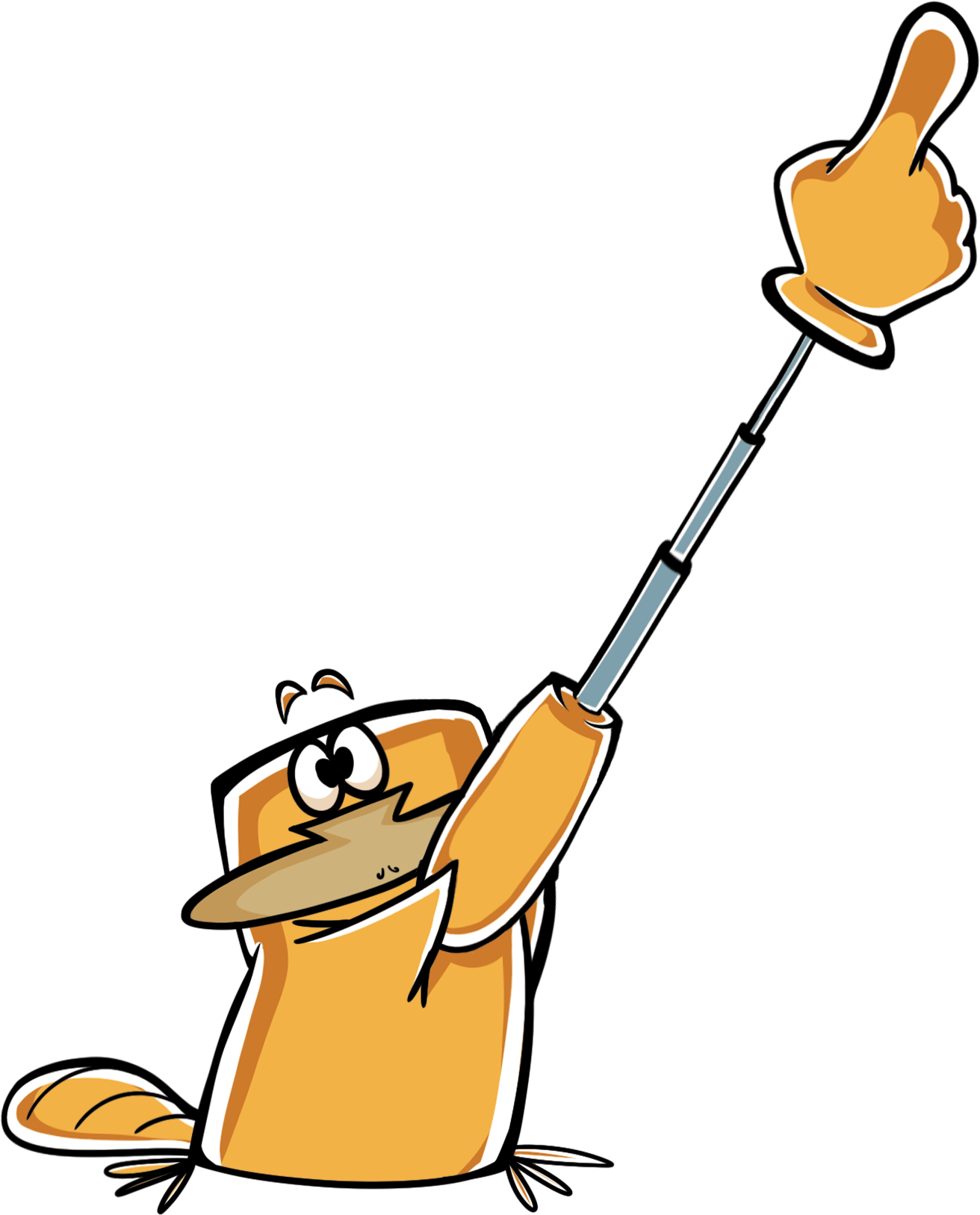
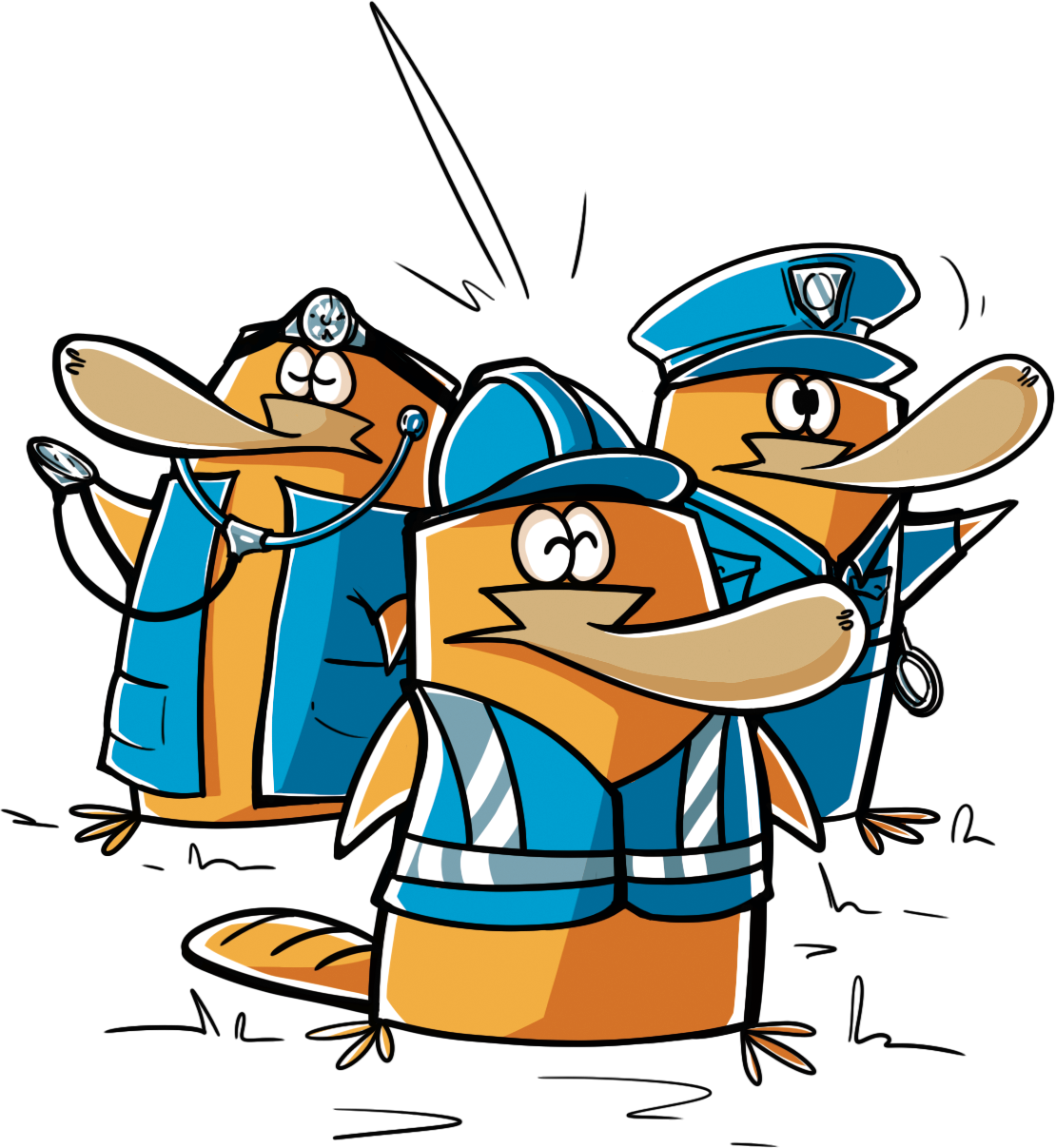
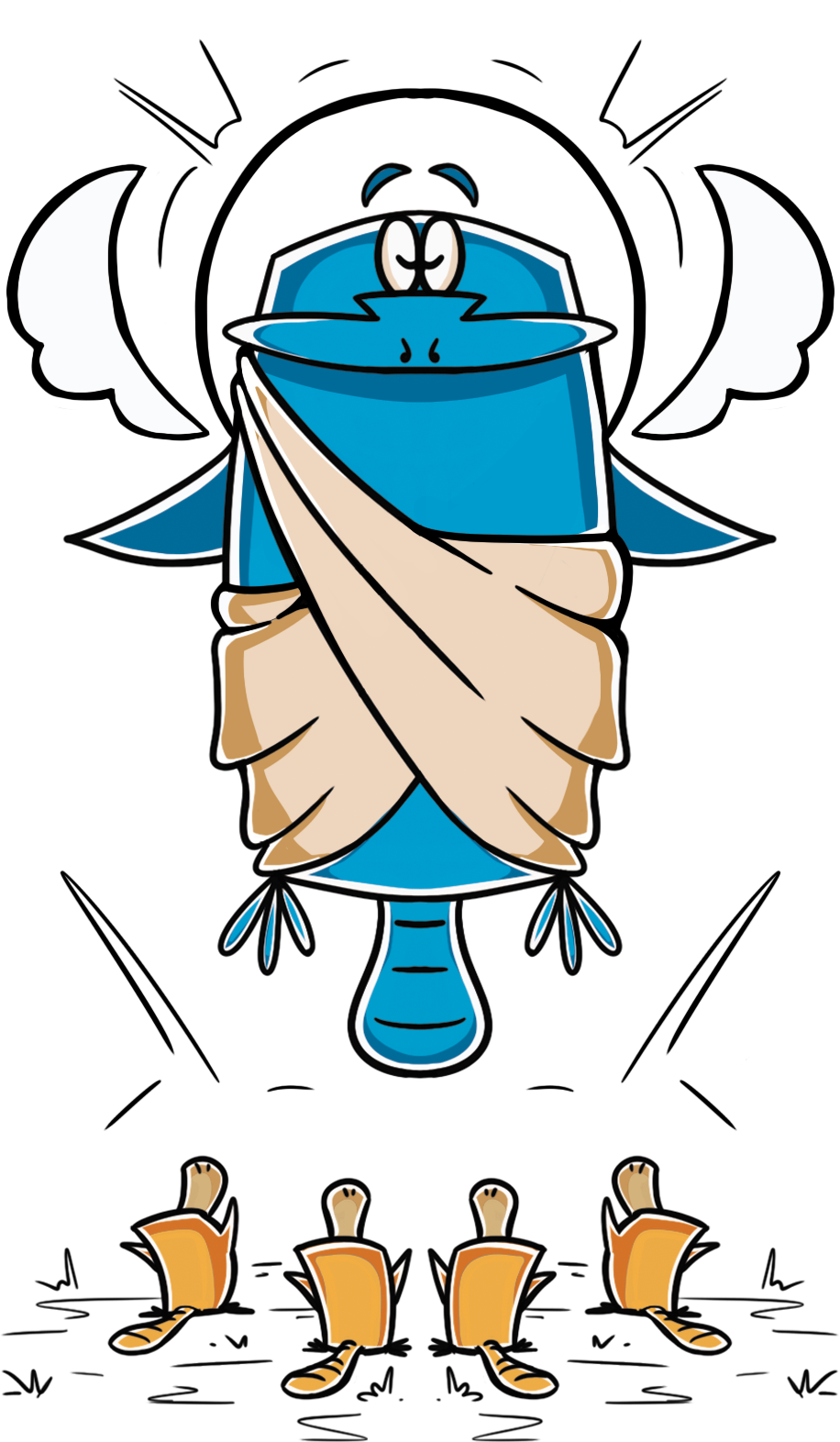
On the illustration side (you can see timelapses here), Kader did a lot of research and presented us with the “Platypus” mascot, which for me perfectly represents the game through its zany, offbeat character — but also through its name, because who knows how to spell that word?! Fun fact: at first the mascot was a mad professor, then a fairy, and even a pigeon.
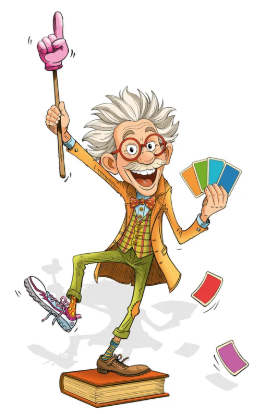
(illustration by Quentin’s father)
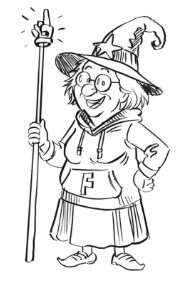
(illustration by Quentin’s father)
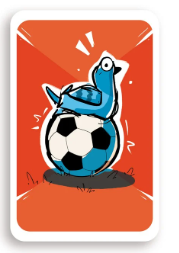
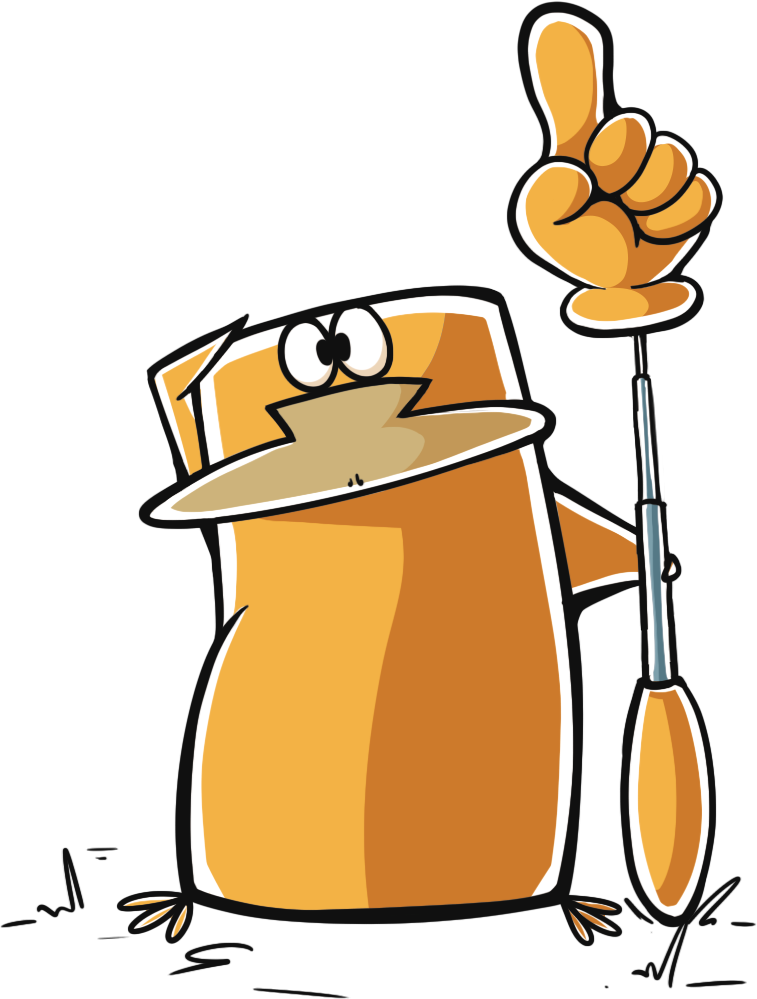
Finally, we created a web app (koowah.online) to play, along with its “dicornito” to share with the whole world the words you invent and to challenge other players!
What’s next?
I’d like to close with the name of the game, which also evolved — going from the first invented word “Glappox” to “Si Vous L’Dite,” then “Tutafè,” and finally “Koowah.” It was the visual identity of the game and a great deal of research that led us to this final name, “Koowah.” Today, it is the culmination of 3 years of work, and I’m very proud of it.
As of today the game isn’t out yet — release is scheduled for June 26, 2026 — so the primary goal is to introduce it, see it played, and watch players feel emotions; but I think I’ll surely reprint it, lol. And a small teaser: I’m also currently working on a fairly fast and devilishly effective card game…